Herder Women’s Work Remains Invisible but Essential to Households
“After more than 30 years of herding livestock, I never imagined that herder women could gather like this, talk to one another, and share their thoughts and experiences,” reflected one participant from Nogoonnuur Soum, Bayan-Ölgii Province.
For herder women living in Mongolia’s remote western border region, more than 2,000 kilometres from the capital, opportunities to come together and openly discuss their daily lives, challenges, and aspirations are limited.
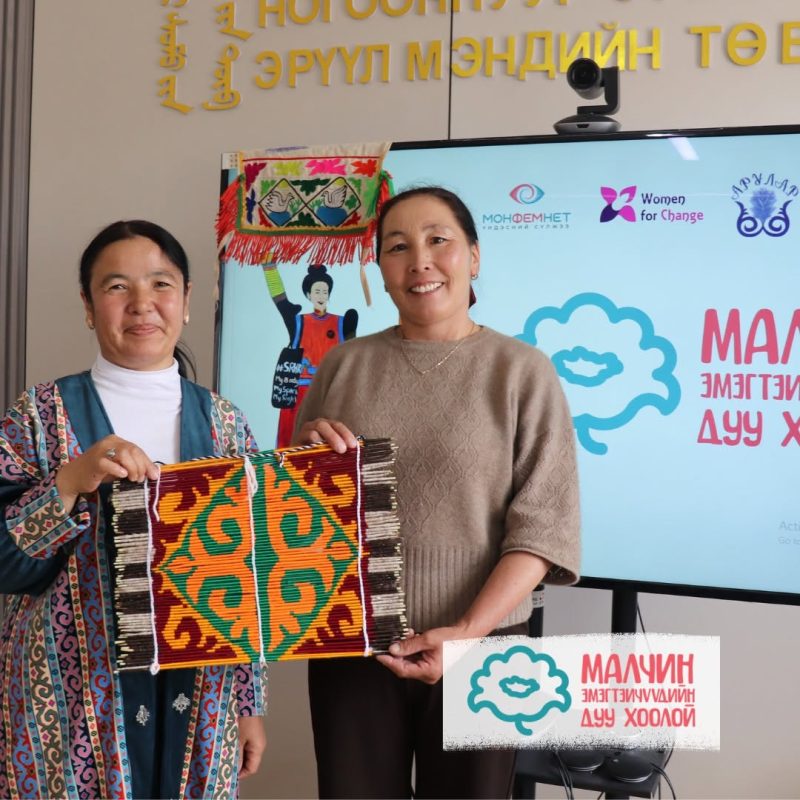
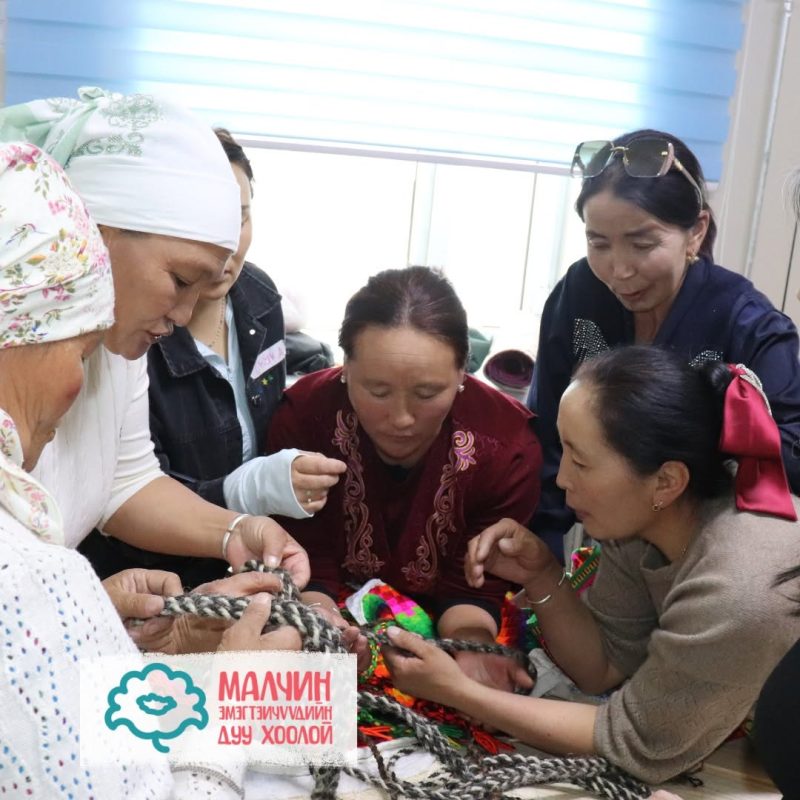
The “Voices of Herder Women” consultation created such a space, allowing participants to share their experiences and reflect on the many forms of work they carry out every day.
During the meeting, women discussed the wide range of responsibilities they manage, including livestock herding, household work, childcare, care for other family members, food preparation, and seasonal production. Despite this, some participants said they often describe themselves as “not working.”
This reflects how herder women’s labour can remain invisible or undervalued, both socially and within everyday understandings of what counts as work.
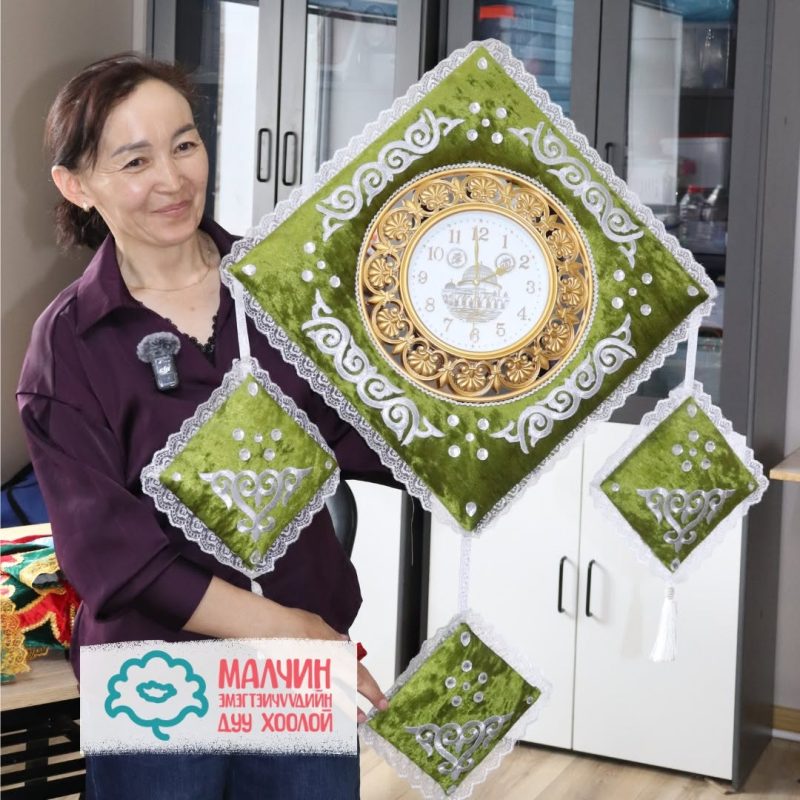
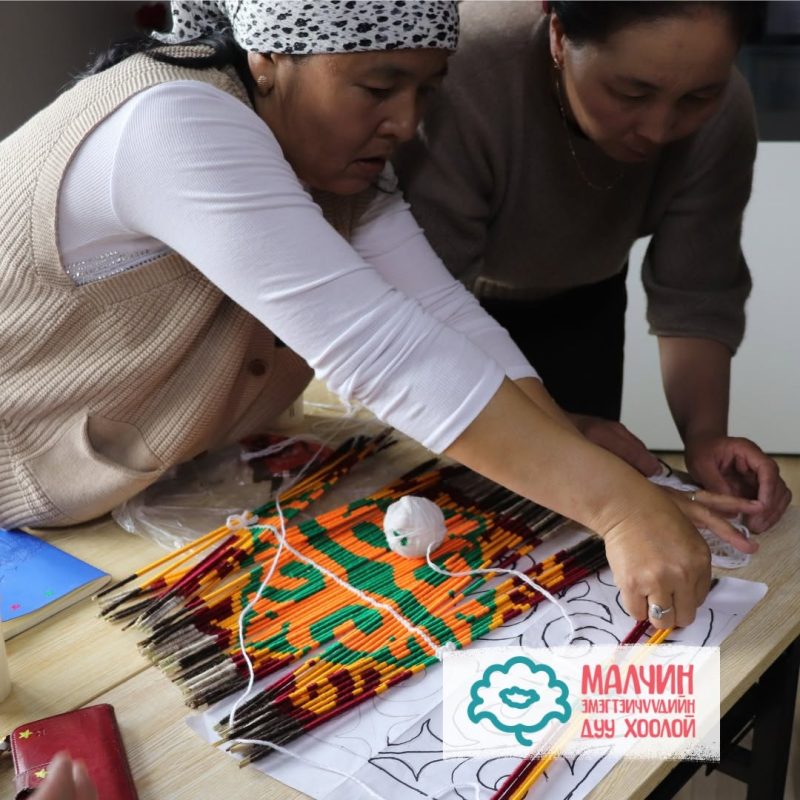
In reality, herder women make substantial contributions to household livelihoods and local economies. Participants shared how they use traditional knowledge and practical skills such as processing wool and cashmere, making felt products, sewing, and producing dairy products to meet household needs and generate additional income.
Their labour, knowledge, and experience are important not only to the wellbeing and economic security of their families, but also to the resilience of rural communities and the continuity of Mongolia’s nomadic traditions.
Making this work more visible is therefore an important step toward recognising the full contribution of herder women and ensuring that their experiences and priorities are reflected in policy, services, and local development processes.
This activity is implemented with financial support from the Colmena Fund and forms part of broader efforts to strengthen the voice, participation, and leadership of herder women, while increasing public recognition of their labour and lived experiences.