Herder Women’s Life Stories Reveal the Reality of the Care Burden
The daily lives of herder women living in remote areas of Mongolia are rarely visible to the wider public. Yet their experiences offer important insight into the realities of limited access to essential services, unpaid care work, and the many responsibilities women carry within their families and communities.
Our lives are shaped by a series of experiences, both large and small. Not every story is about a major achievement or dramatic change. Sometimes, everyday experiences of responding to challenges reveal far more about the conditions in which people live.
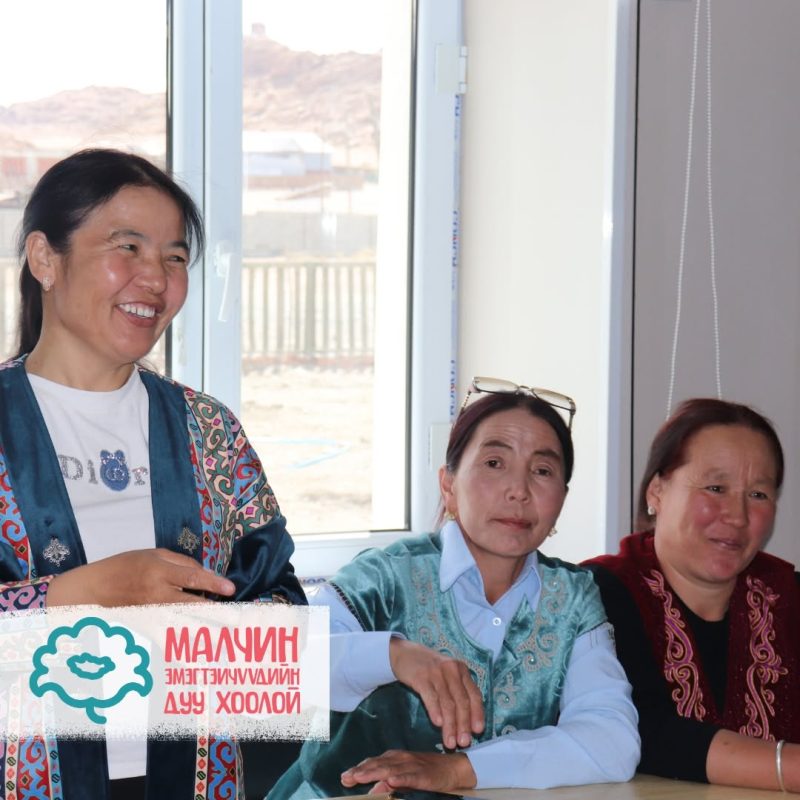
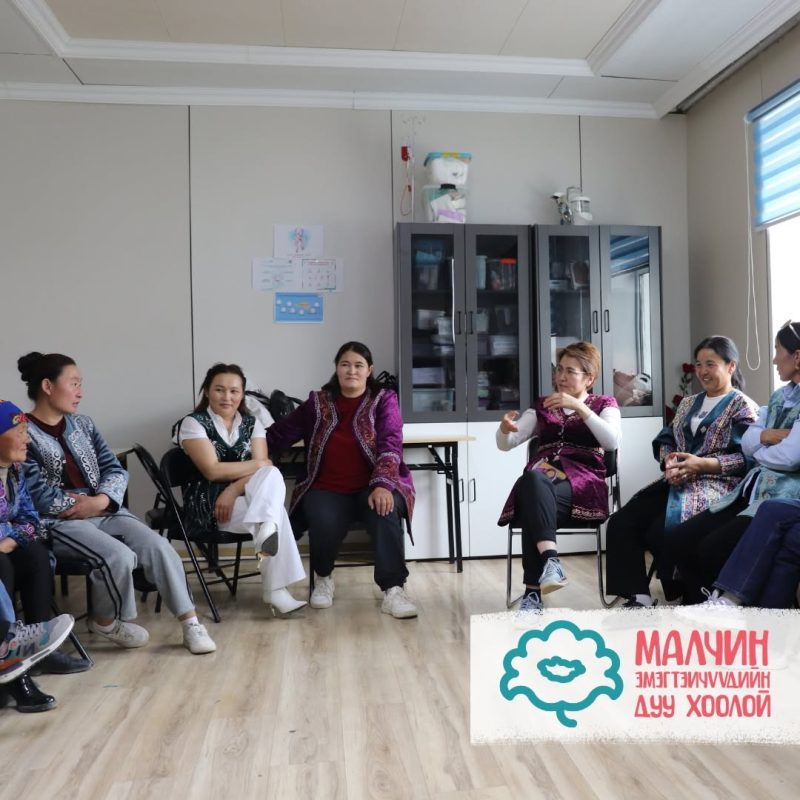
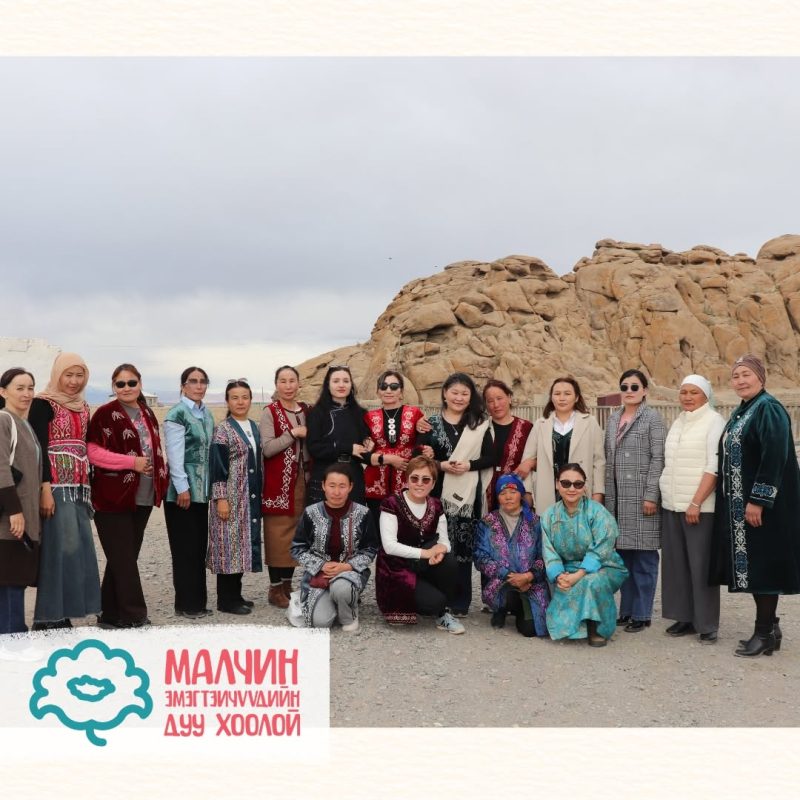
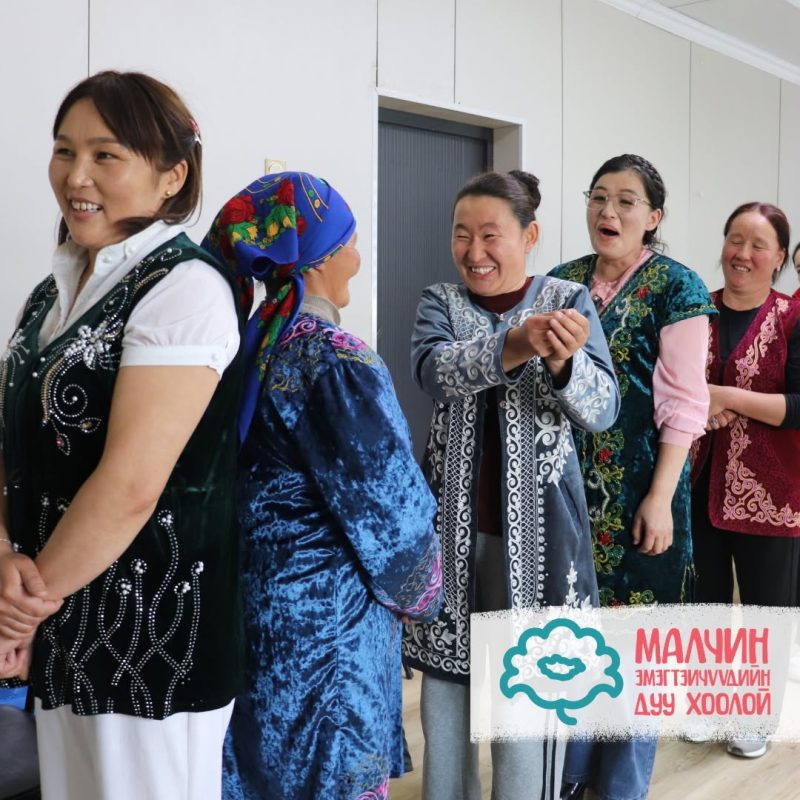
During meetings and consultation sessions with herder women, participants shared personal stories that highlighted the practical realities of living far from essential services.
Because healthcare facilities can be located at considerable distances, some women shared that they had learned to administer injections and intravenous drips when necessary. In some cases, these skills were used not only to support their own families, but also to assist neighbouring households when professional medical support was difficult to reach.
One woman shared an especially striking experience of having to assist with childbirth when her daughter-in-law went into labour and emergency medical services were unavailable because they were responding to another call.
These experiences are more than individual stories. They illustrate the additional responsibilities that women in remote herding communities may be expected to take on when formal care and support systems are difficult to access.
Alongside livestock herding and household work, women may also find themselves providing childcare, elder care, basic healthcare support, food production, and other forms of unpaid care that are essential to the wellbeing of their families and communities.
Listening to these experiences is therefore important for understanding the unmet care needs of herder women and the gaps that exist in current service delivery.
Ensuring that herder women’s voices, experiences, and priorities are reflected in policy and service planning is essential not only for improving their wellbeing and access to support, but also for promoting more inclusive and sustainable rural development.
This activity is implemented with the support of the Colmena Fund as part of broader efforts to strengthen the voice, participation, and leadership of herder women, while working together to identify the challenges they face and the solutions that respond to their lived realities.