The Unmet Care Needs of Herder Women
For people living in soum and aimag centres, as well as urban areas, essential services such as education, healthcare, social welfare, and social protection are generally more accessible. Through local administrative units, health facilities, schools, and other service providers, people are able to meet at least some of their basic needs.
Although gaps in information, affordability, and accessibility remain, the infrastructure for reaching these services is relatively more established in settled communities.
But what does access look like for herder families who move seasonally throughout the year while sustaining Mongolia’s nomadic way of life?
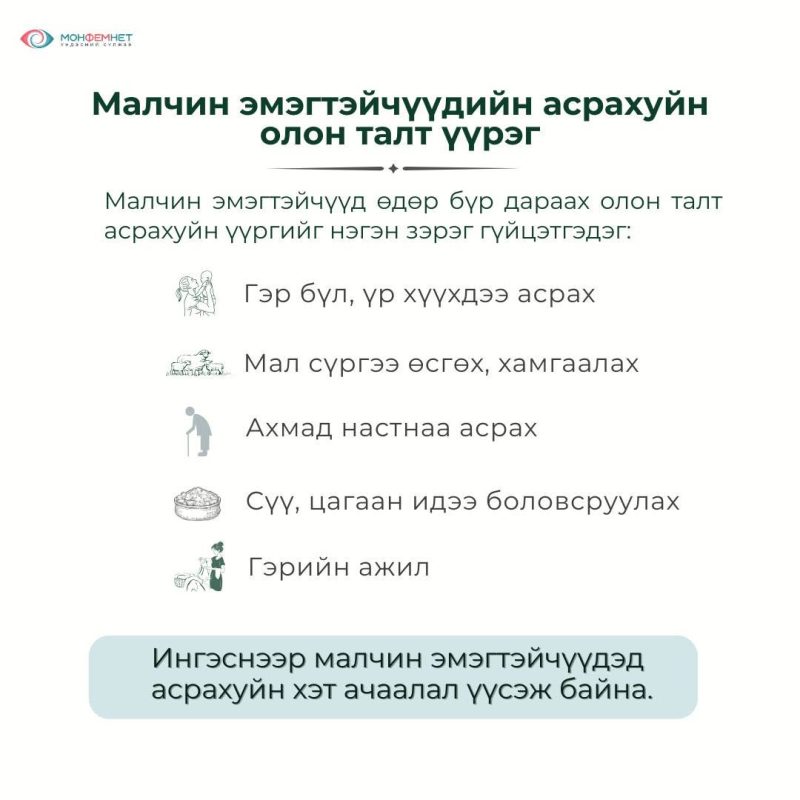
Herder households devote much of their time to livestock and seasonal work, often with long and demanding working days. Herder women, in particular, carry multiple responsibilities alongside livestock herding, including processing dairy products, preparing food, caring for children and older family members, and managing other household and care-related tasks.
This combination of productive and unpaid care work can create a particularly heavy burden for women, leaving them with less time for their own health, rest, learning, personal development, and participation in community and public life.
Seasonal mobility can also make it more difficult to access services that are designed primarily around settled populations. Distance, time constraints, limited transport, and the location and timing of services can all affect whether herder women are able to receive the support they need.
These realities highlight the need for new and more flexible service models that are designed around the realities of nomadic life.
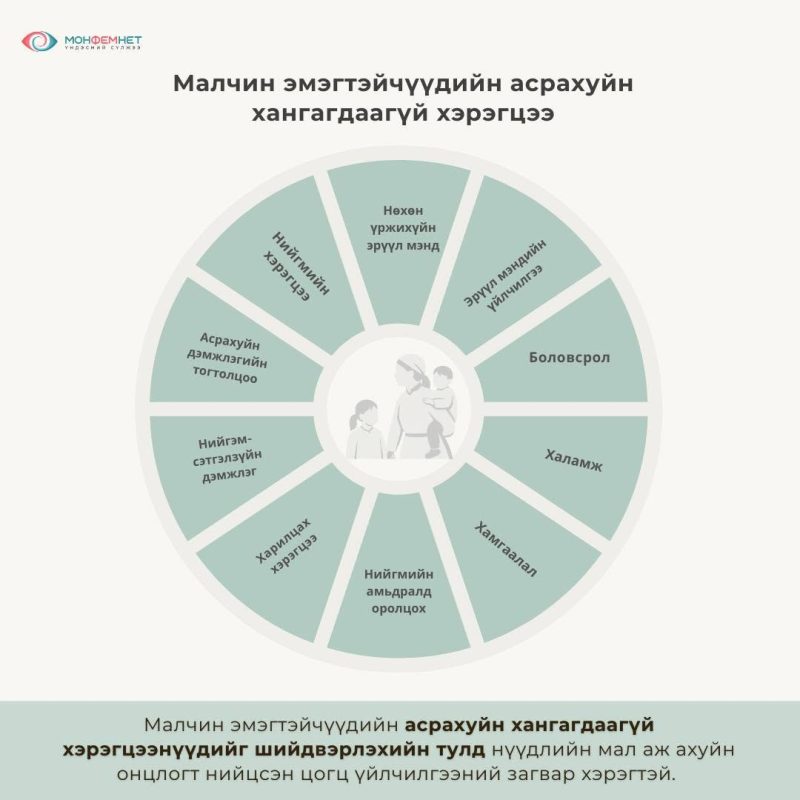
Addressing the unmet care needs of herder women requires a more integrated approach that considers healthcare, social protection, education, psychosocial support, care services, and labour-saving solutions together, while placing women’s own experiences and priorities at the centre of service design.
Developing such models is essential not only for reducing women’s disproportionate care burden, but also for supporting their wellbeing, rights, social participation, and opportunities.