Civil Society Calls for Stronger Government Cooperation to Address Domestic Violence
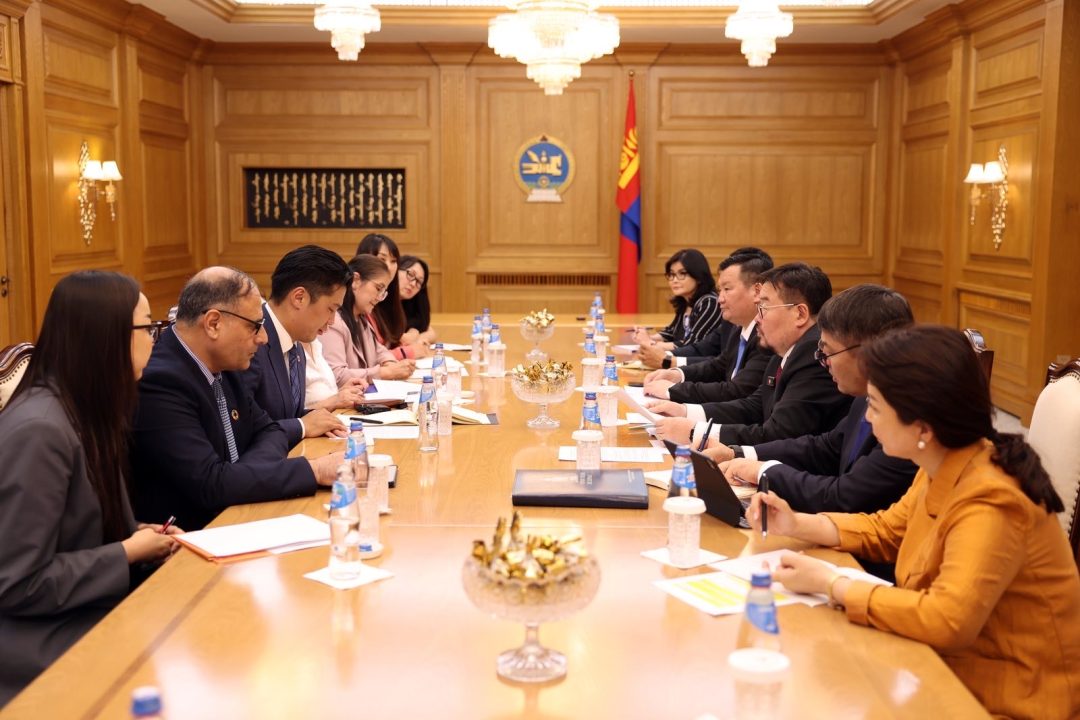
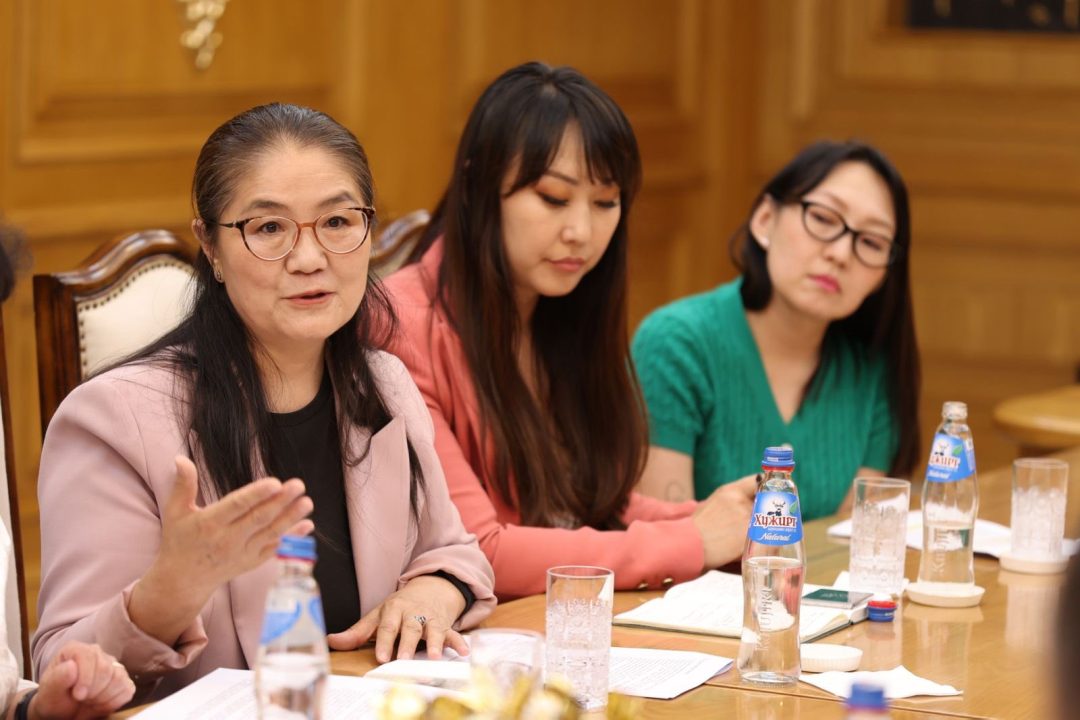
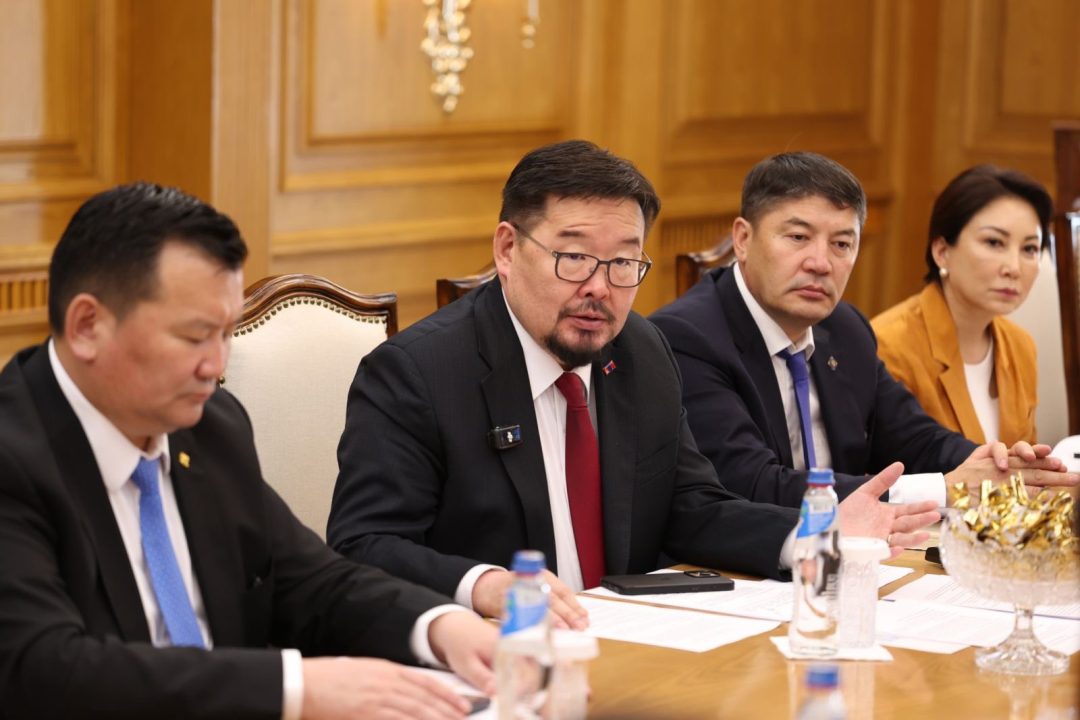
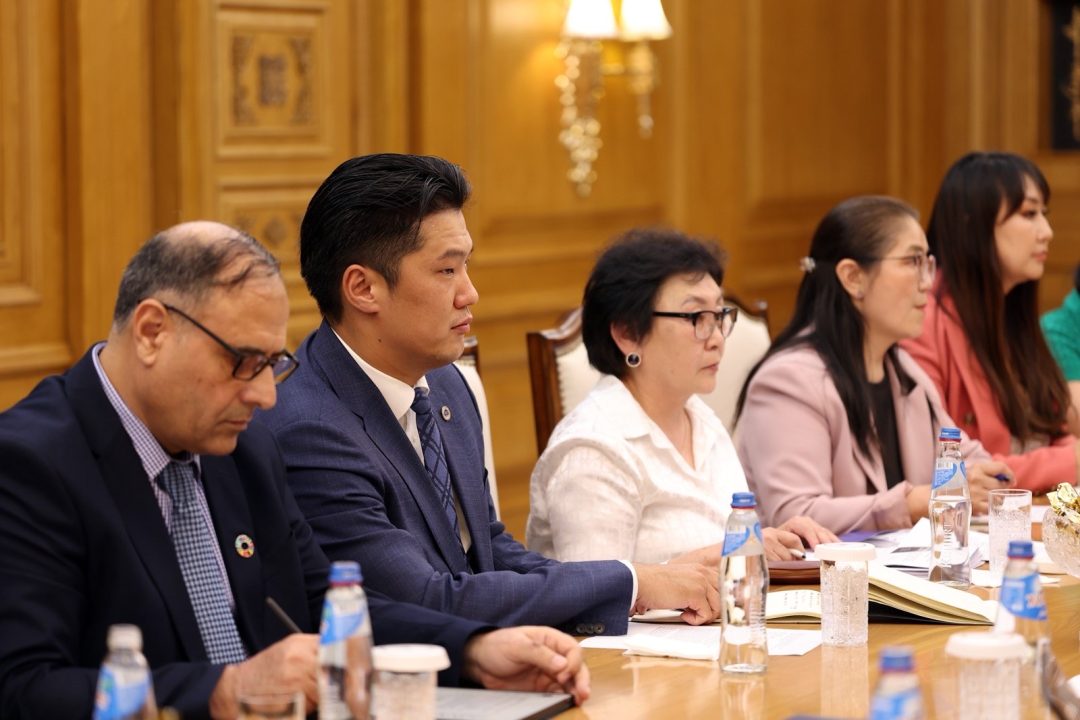
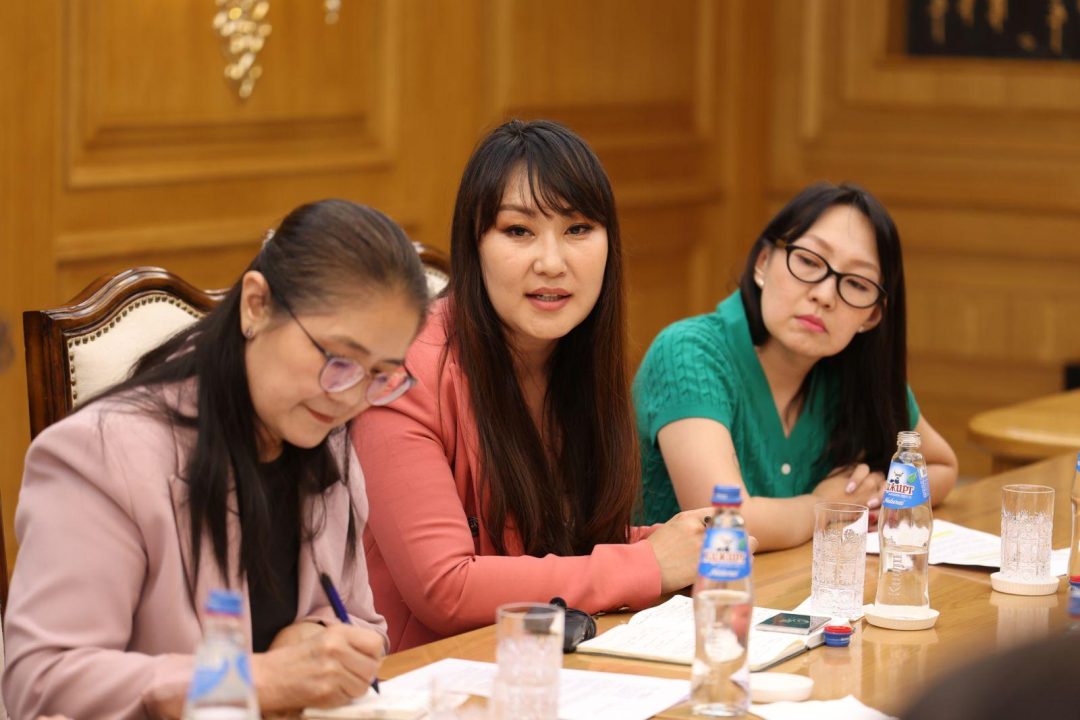
Civil society organisations working to advance human rights and provide support to survivors of violence met with Prime Minister G. Zandanshatar and relevant government officials to call for stronger and more coordinated action to prevent and respond to domestic and intimate partner violence in Mongolia.
Although Mongolia has established a legal framework to address domestic violence, civil society representatives raised concerns about gaps in implementation and the effectiveness of survivor protection mechanisms.
According to police statistics cited during the meeting, 132 people lost their lives as a result of domestic violence between 2017 and 2024, while 8,394 people were injured. In the first five months of 2025 alone, 16 people died as a result of domestic violence-related crimes.
In response, a group of civil society organisations, including the MONFEMNET National Network, National Centre Against Violence, Princess Centre, Beautiful Hearts NGO, Mongolian Youth Alliance, Amnesty International Mongolia, and other organisations, submitted a set of demands and recommendations to the Government. Representatives of UNFPA also participated in the meeting.
The organisations called for stronger implementation of Mongolia’s obligations under national legislation and international human rights commitments, as well as more effective systems for preventing violence and providing timely protection and support to survivors.
Following the meeting, Prime Minister G. Zandanshatar announced plans to establish a National Committee Against Violence under the Office of the Prime Minister, review the report of the Coordinating Council for Crime Prevention at a Cabinet meeting, and ensure civil society participation in related processes.
The National Committee Against Violence was subsequently established by order of the Prime Minister to strengthen coordination, improve implementation of relevant legislation, and develop recommendations for preventing and responding to violence.
Participating civil society organisations emphasised that these commitments must be followed by concrete implementation, sustained cooperation, and effective accountability mechanisms.
Strengthened partnership between government institutions and civil society is essential to building a system that can prevent violence, respond promptly when it occurs, and ensure that survivors have access to the protection, services, and support they need.