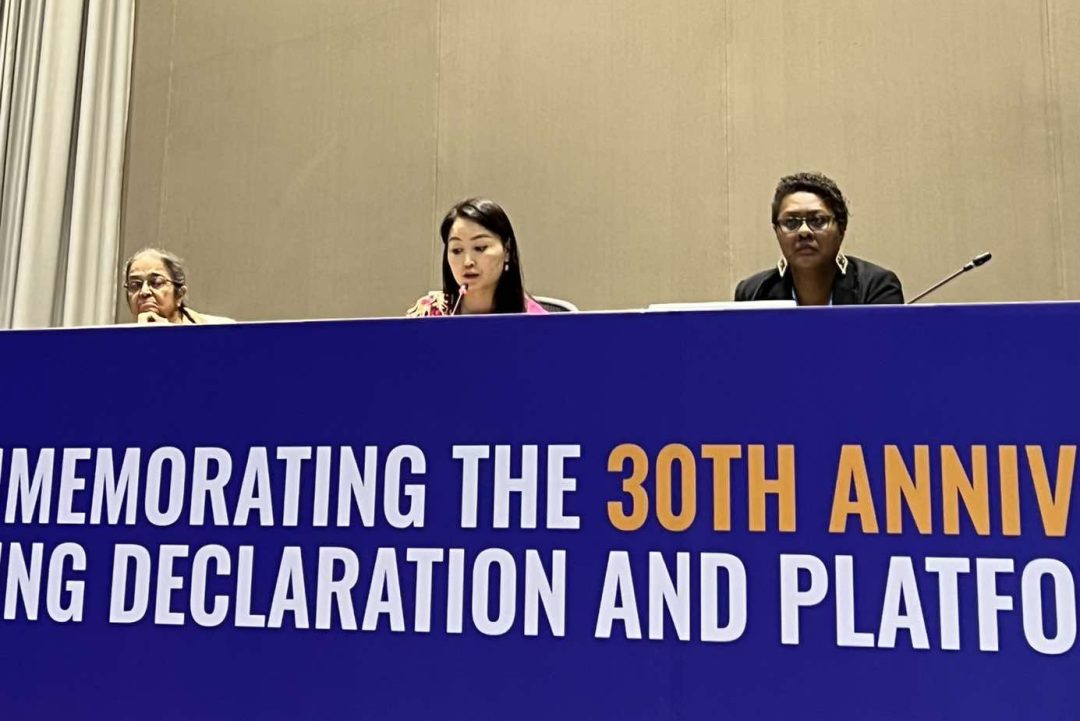
Mongolian Civil Society Presents Collective Advocacy Priorities at the Asia-Pacific Civil Society Forum
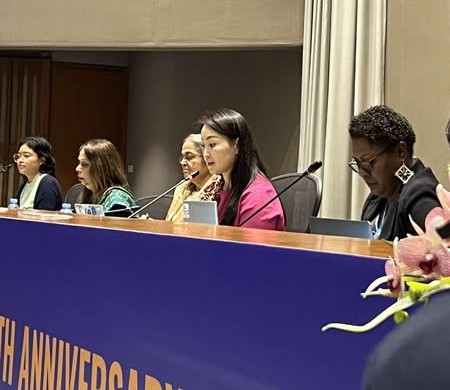
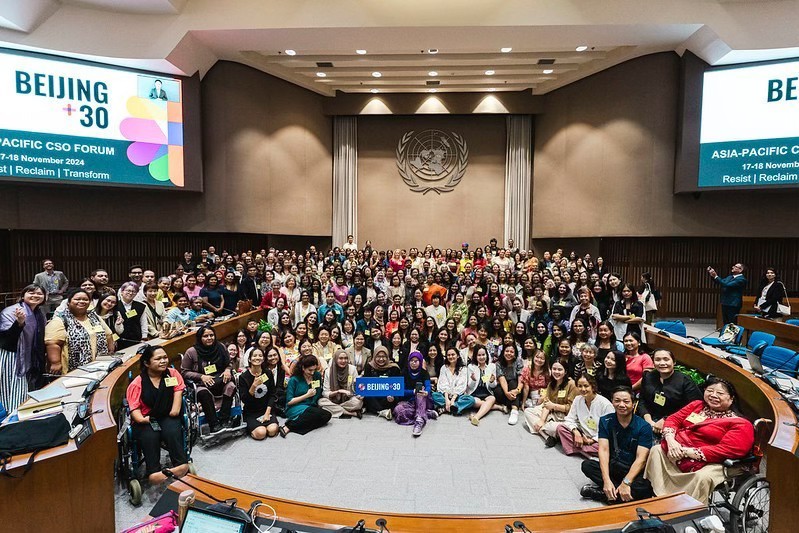
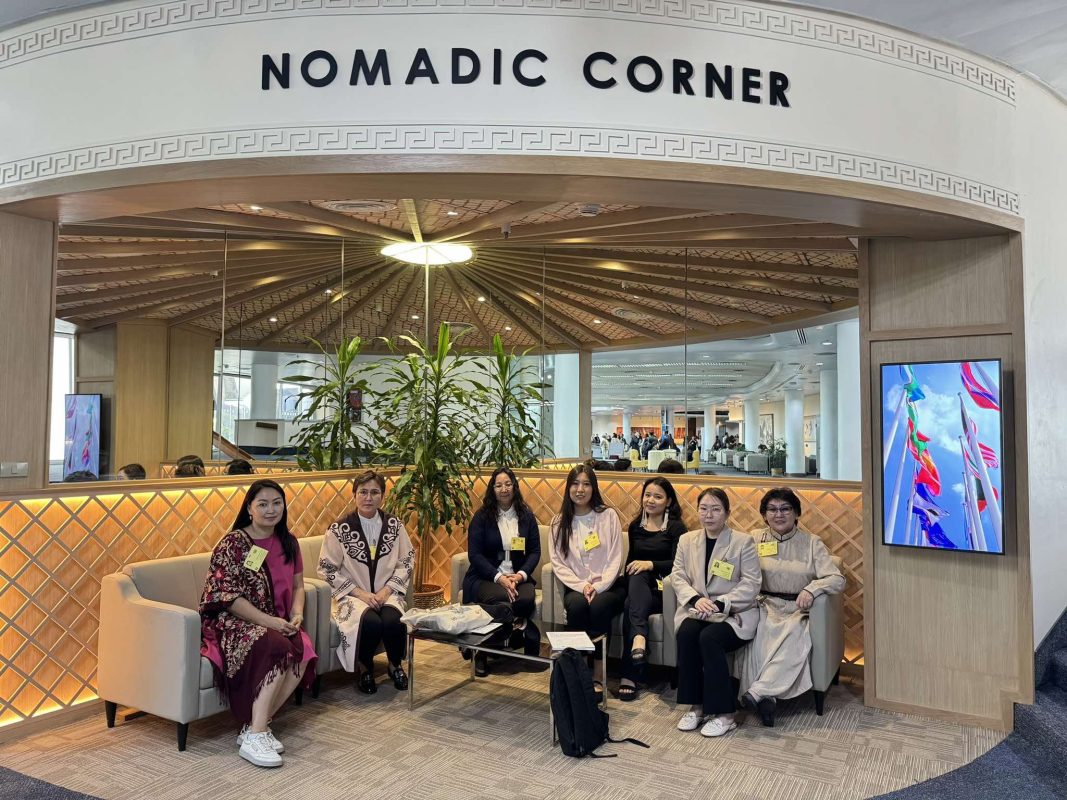
At the Asia-Pacific Civil Society Forum, representatives from Mongolia presented the results and priorities of collective advocacy efforts led by civil society organisations working to advance gender equality, human rights, and social justice.
Mongolia’s socioeconomic and geographical context
Mongolia’s vast territory and low population density create particular challenges in ensuring equitable access to social protection, public services, and opportunities. These challenges are often more pronounced for people living in remote areas and for communities that already experience social, economic, or structural marginalisation.
Against this backdrop, civil society organisations play an important role in bringing diverse lived experiences into policy discussions and advocating for more inclusive and responsive systems.
Strengthening collective advocacy
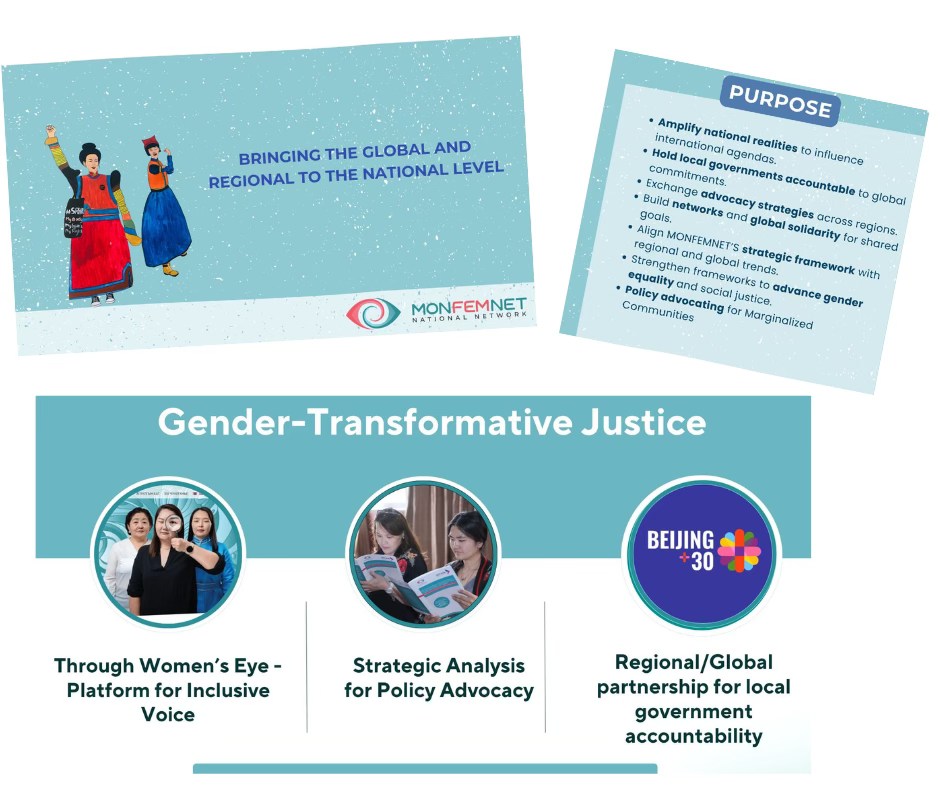
The MONFEMNET National Network, together with its member organisations, has actively engaged in national, regional, and international processes related to the implementation and review of the Beijing Declaration and Platform for Action.
This work also connects with key international human rights and development mechanisms, including the United Nations Commission on the Status of Women (CSW), the Convention on the Elimination of All Forms of Discrimination against Women (CEDAW), and the Sustainable Development Goals (SDGs).
Through these processes, MONFEMNET and its partners work to bring the experiences, concerns, and priorities of women and diverse social groups into policy and advocacy spaces.
Key areas of collective advocacy
The presentation highlighted several priority areas of ongoing collective advocacy.
These included strengthening policies based on evidence and assessments related to sexual and reproductive health and rights (SRHR) and comprehensive sexuality education, particularly for marginalised communities.
Another key priority is advancing women’s political leadership and meaningful participation in decision-making, while addressing the structural barriers that continue to limit equal representation.
The presentation also emphasised the care economy, including the need for policy and legal frameworks that recognise, value, and support unpaid care work and the people who provide it.
By sharing these priorities at the regional level, Mongolian civil society organisations contributed their experiences to broader Asia-Pacific discussions on the progress made and the remaining challenges in advancing gender equality.
MONFEMNET remains committed to strengthening collective advocacy and contributing to a society in which no one is left behind.