First “Guest Discussion”: Exploring the City Centre, Urban Margins, and Citizen–State Relations through Anthropology
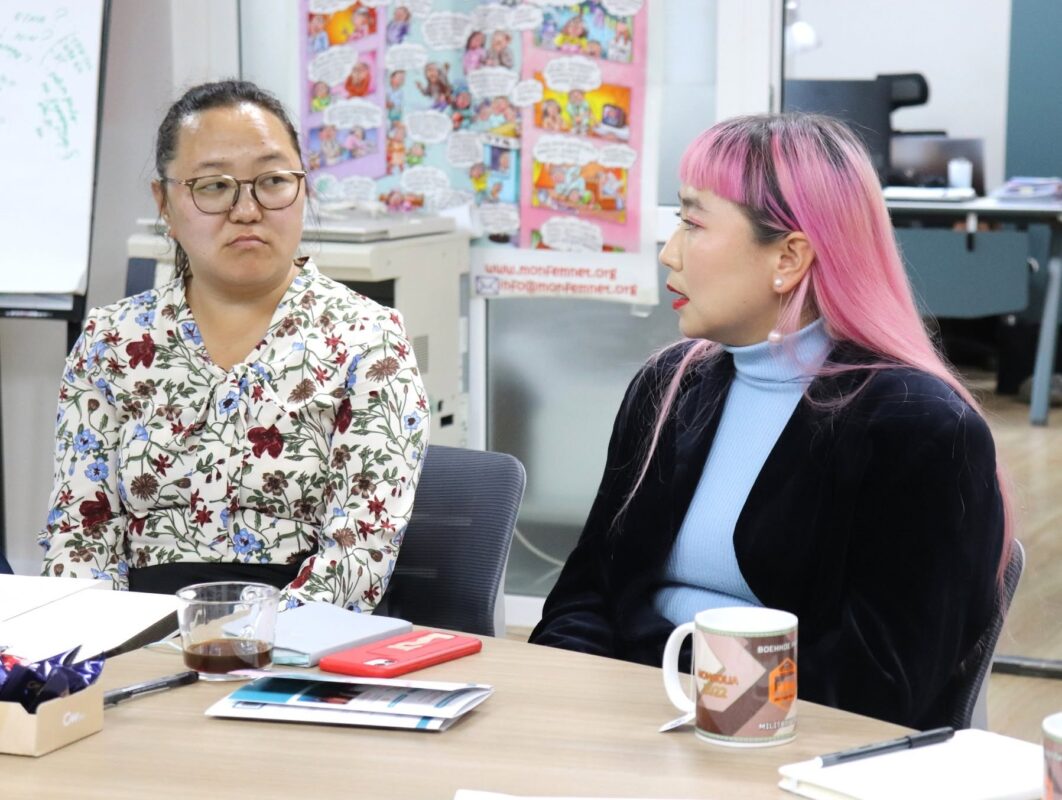
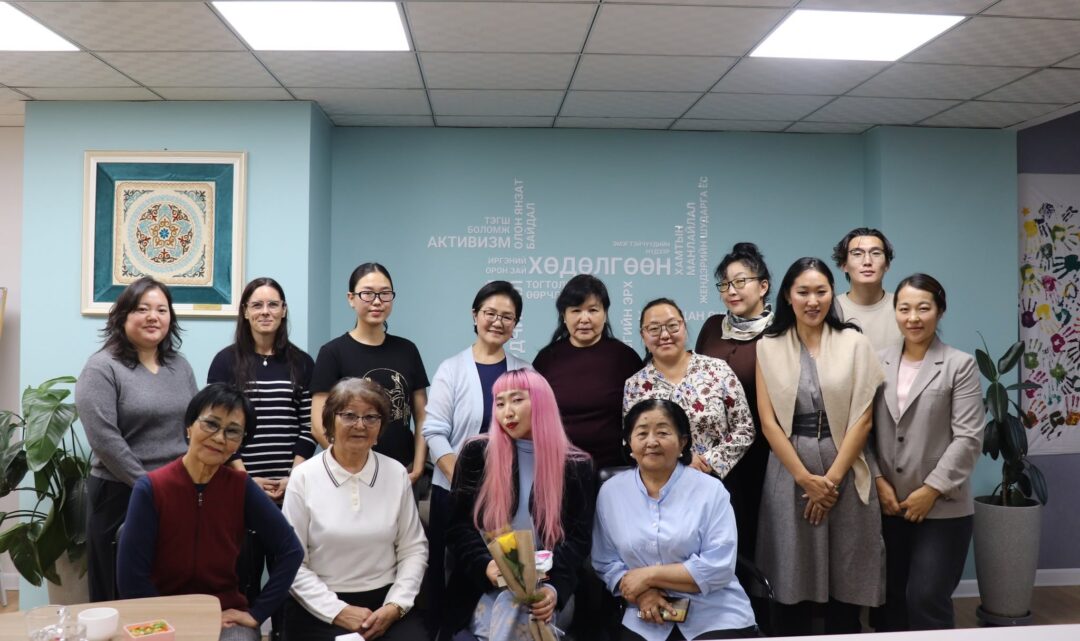
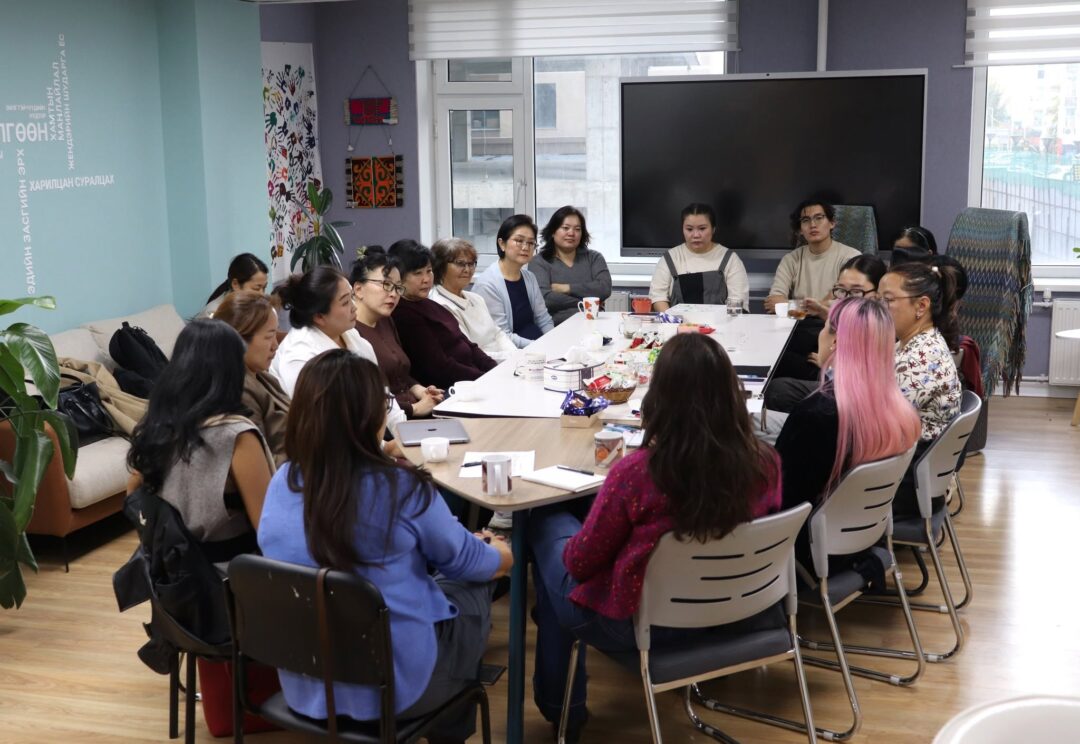
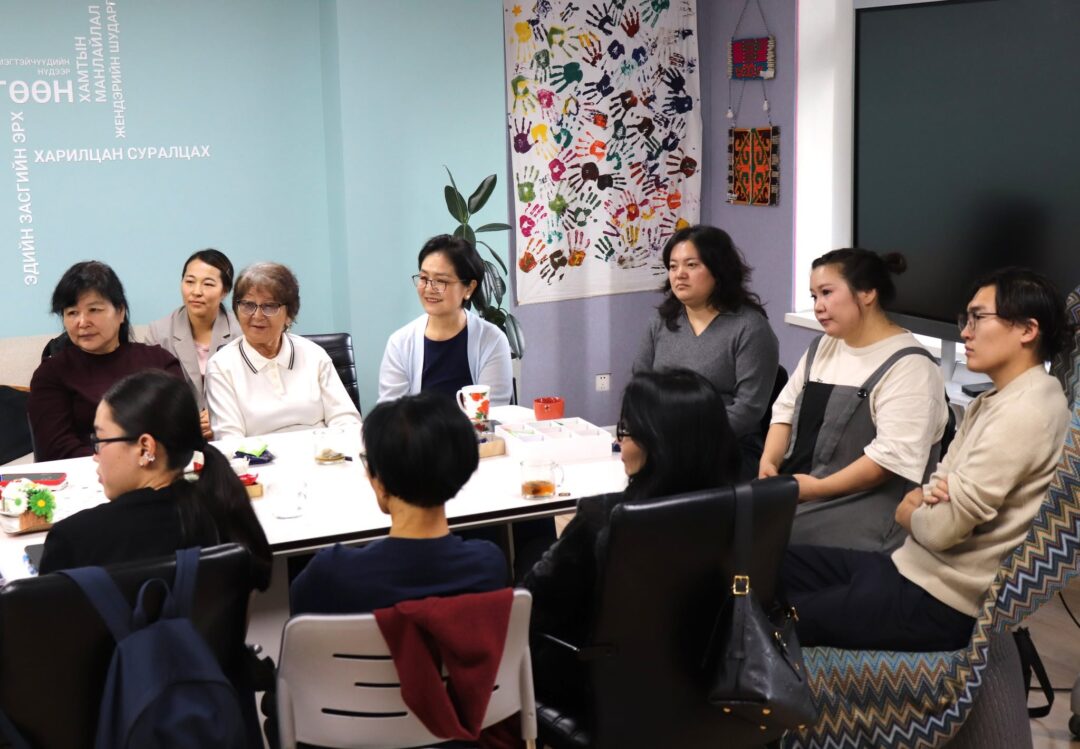
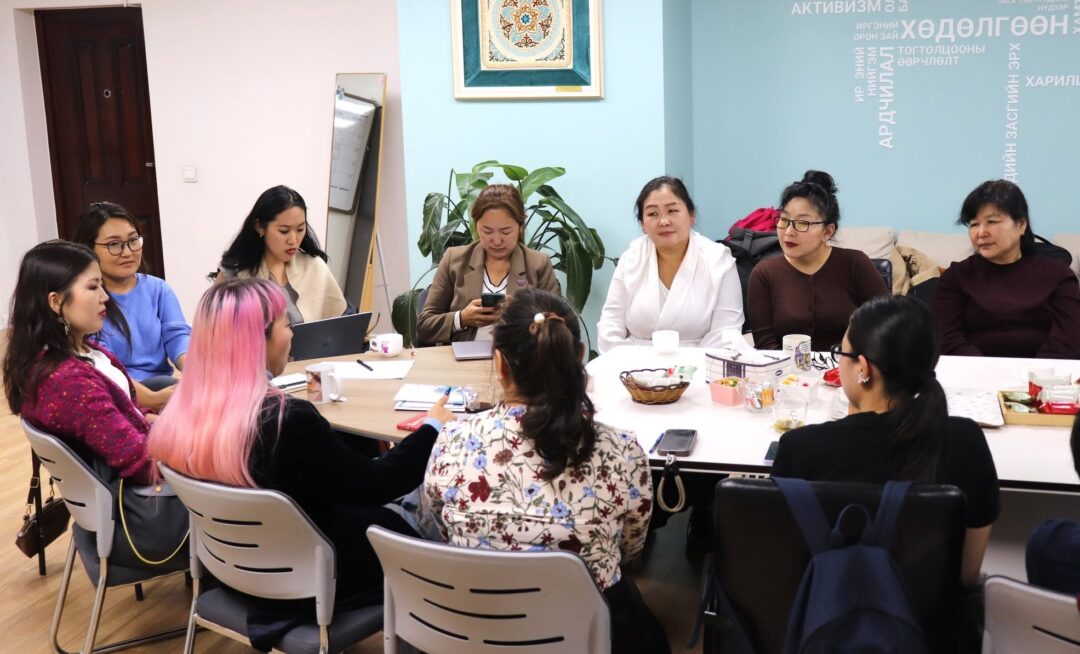
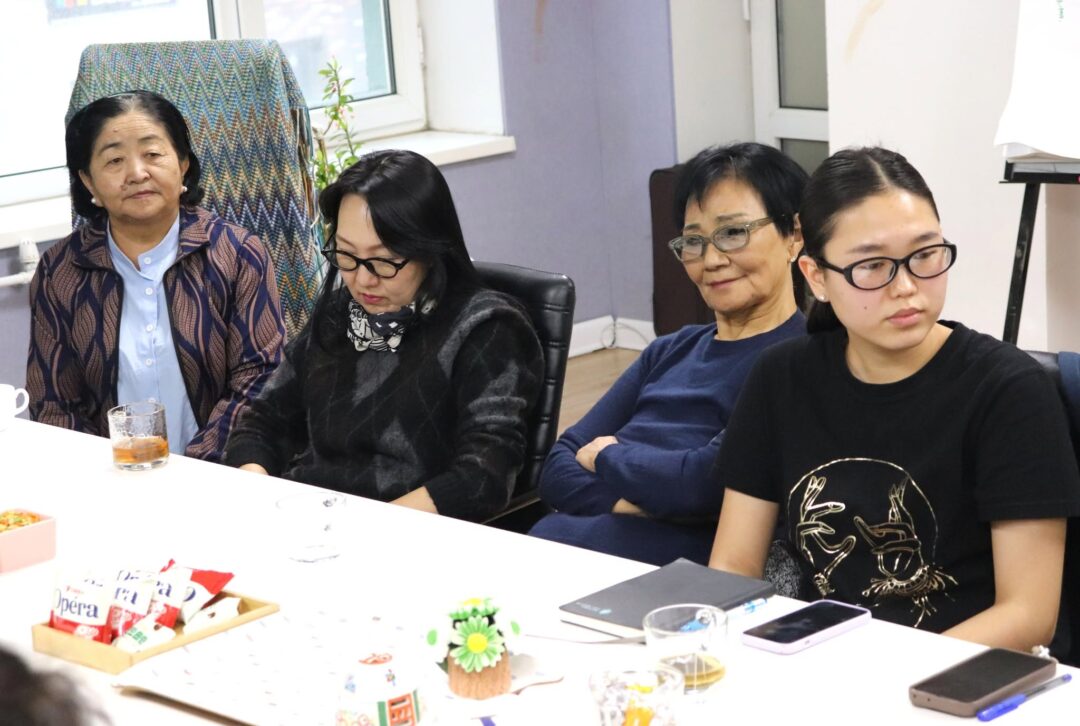
The first “Guest Discussion” organised by the MONFEMNET National Network featured anthropologist E. Zoljargal, who shared insights from her doctoral research spanning two contrasting urban spaces: the Ulaanchuluut landfill and Sukhbaatar Square.
Although both are located within the same city, these spaces offer very different experiences of public services, power, citizenship, and participation. Her research uses these contrasts to explore how people encounter the state and experience urban life in different ways.
E. Zoljargal explained that the questions shaping her doctoral research first emerged during her undergraduate studies around ten years ago: “What is the distance between the state and its citizens?” and “What does the city centre mean?”
Anthropology, she noted, does not seek to understand people’s lives through statistics alone. Instead, anthropologists often spend extended periods within the communities and spaces they study, seeking to understand everyday experiences, relationships, and the meanings people attach to particular places.
As part of her research, E. Zoljargal spent time living near the Ulaanchuluut landfill, participated in demonstrations and public gatherings at Sukhbaatar Square, and even worked as a photographer. These forms of immersion allowed her to observe and understand social life from within the spaces she was studying.
During the discussion, she also emphasised that “anthropology and feminism cannot be separated.” Asking whose experiences are visible in research, whose voices are heard, and whose perspectives are left out is an essential part of how knowledge is produced.
The conversation also touched on the importance of challenging silence around violence and discrimination rather than accepting them as normal or inevitable. Doing so requires awareness, participation, and responsibility from all of us.
The discussion reminded participants that behind many of the things we consider ordinary or familiar are invisible boundaries, power relations, and multiple layers of meaning.
Sometimes, pausing and looking at everyday life from a different perspective can be the first step toward seeing what has previously remained unnoticed.