“SASA! Together” Training Strengthens Youth-Led Activism to Prevent Gender-Based Violence
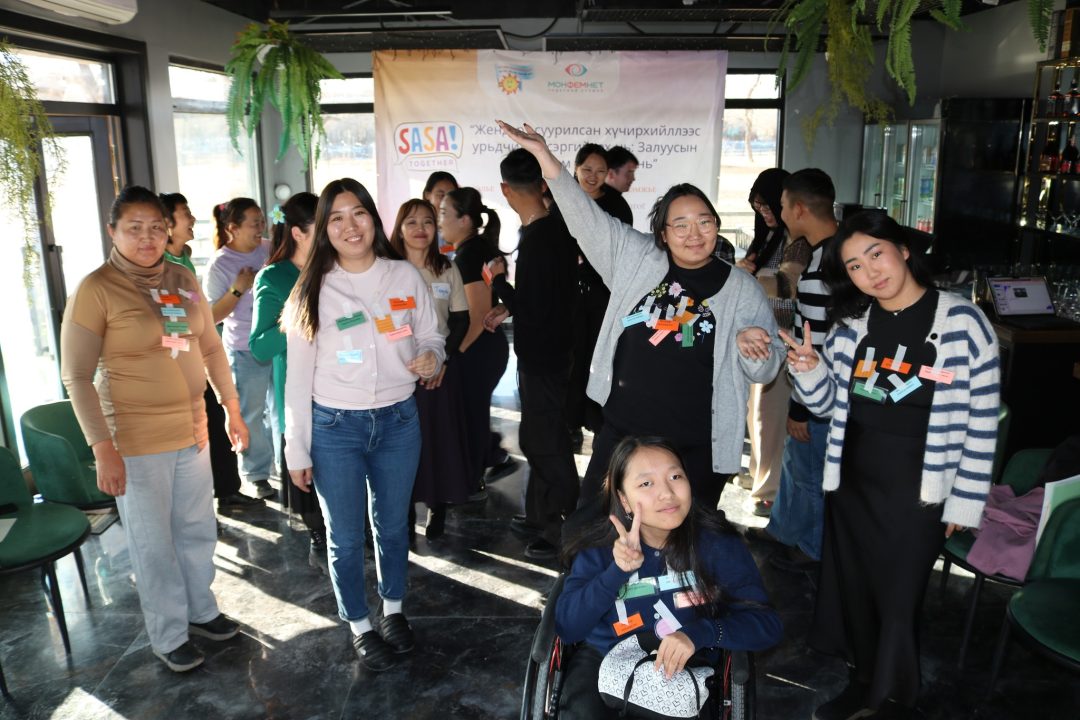
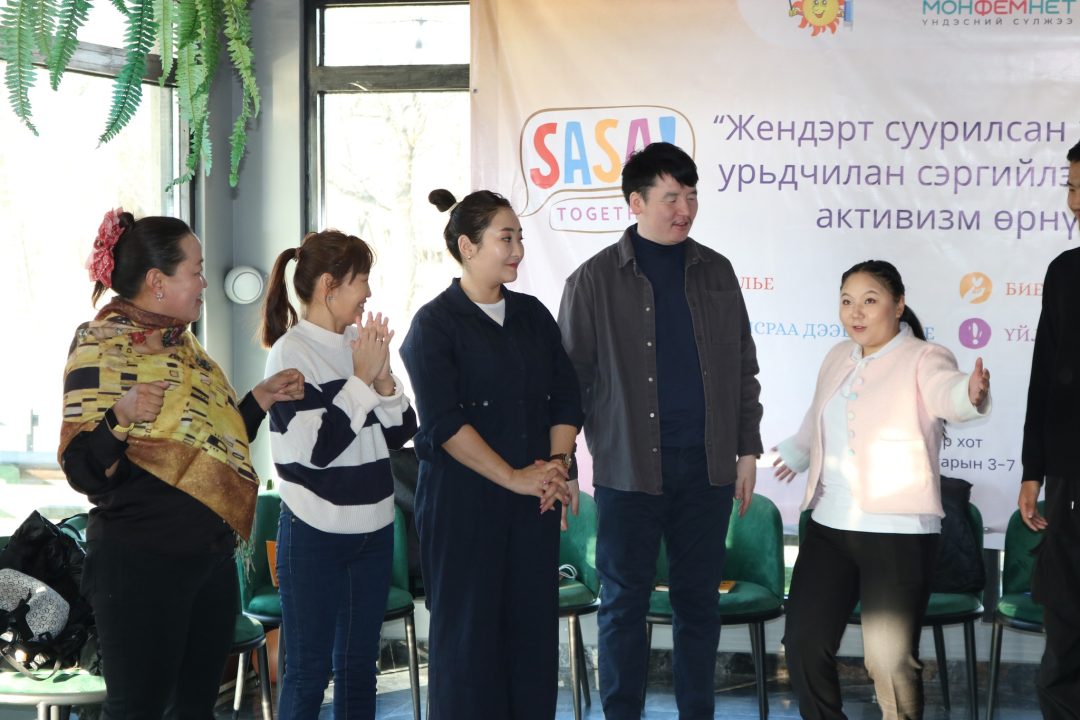
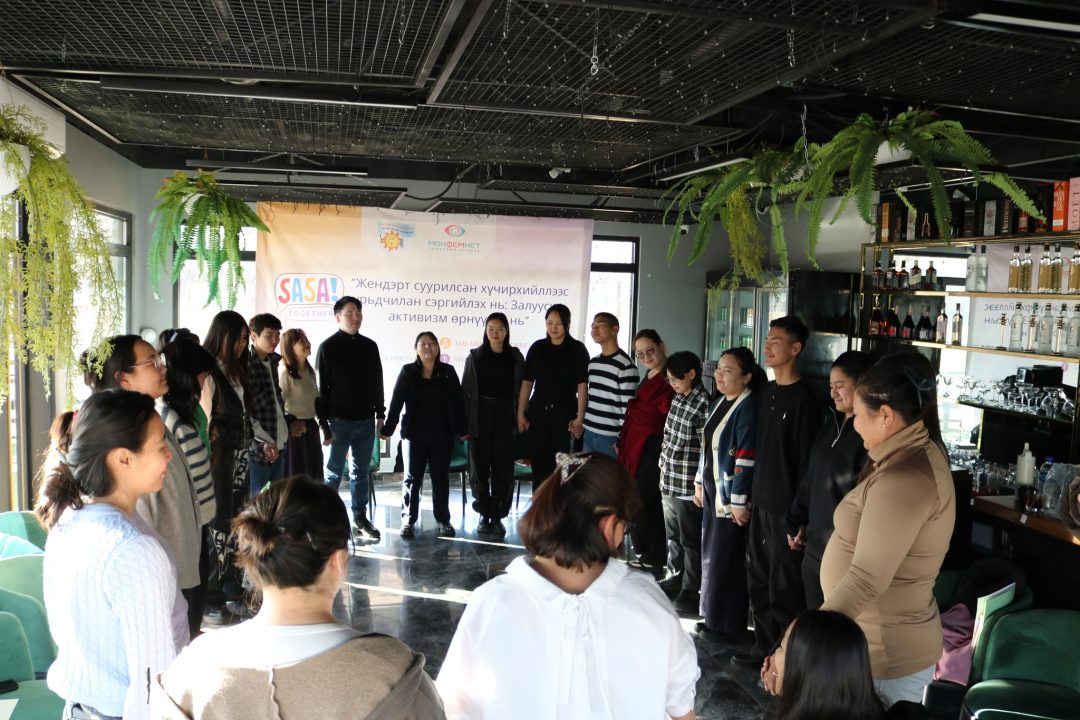
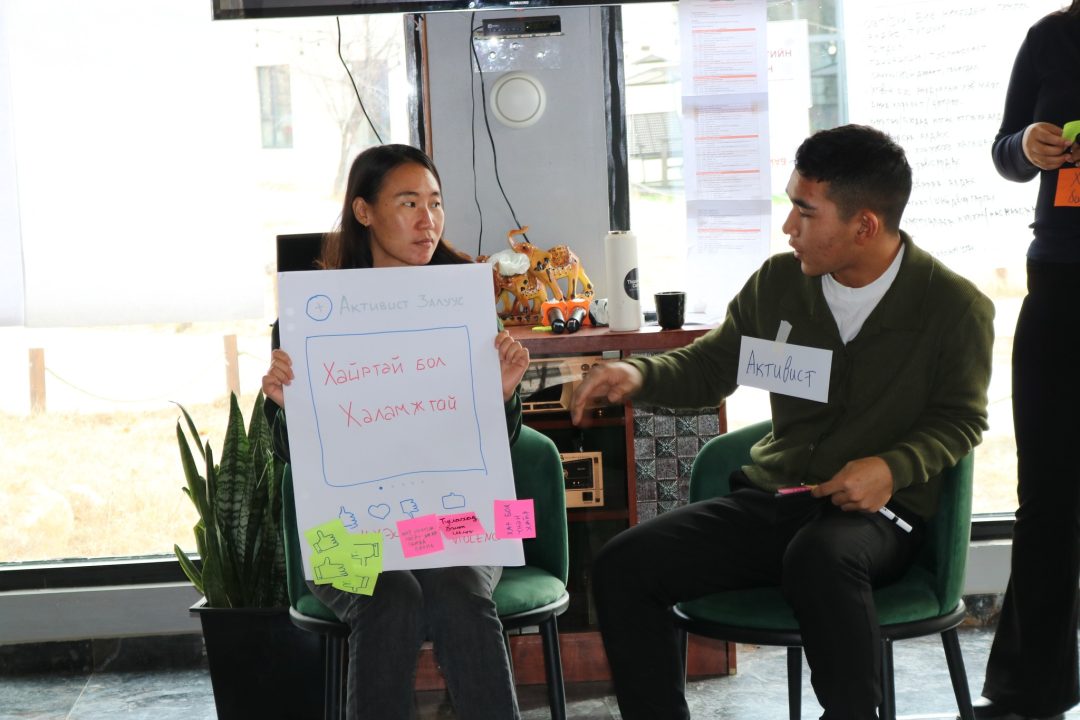
From 3–7 November 2025, a participatory training on “Preventing Gender-Based Violence: Youth-Led Activism” was organised for leaders, staff members, and local council representatives of member organisations of the All for Education! National Civil Society Coalition.
The training was based on SASA! Together – A Community Mobilization Approach for Effective Social Change, an approach that supports communities to understand power, strengthen collective action, and develop locally grounded strategies for social change.
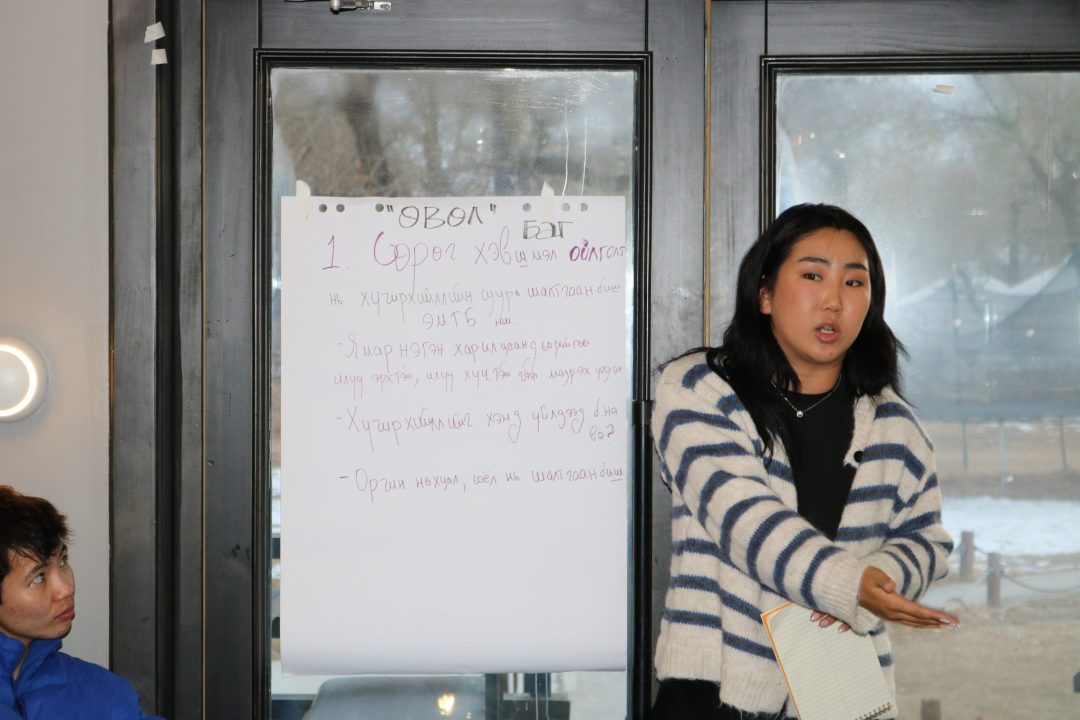
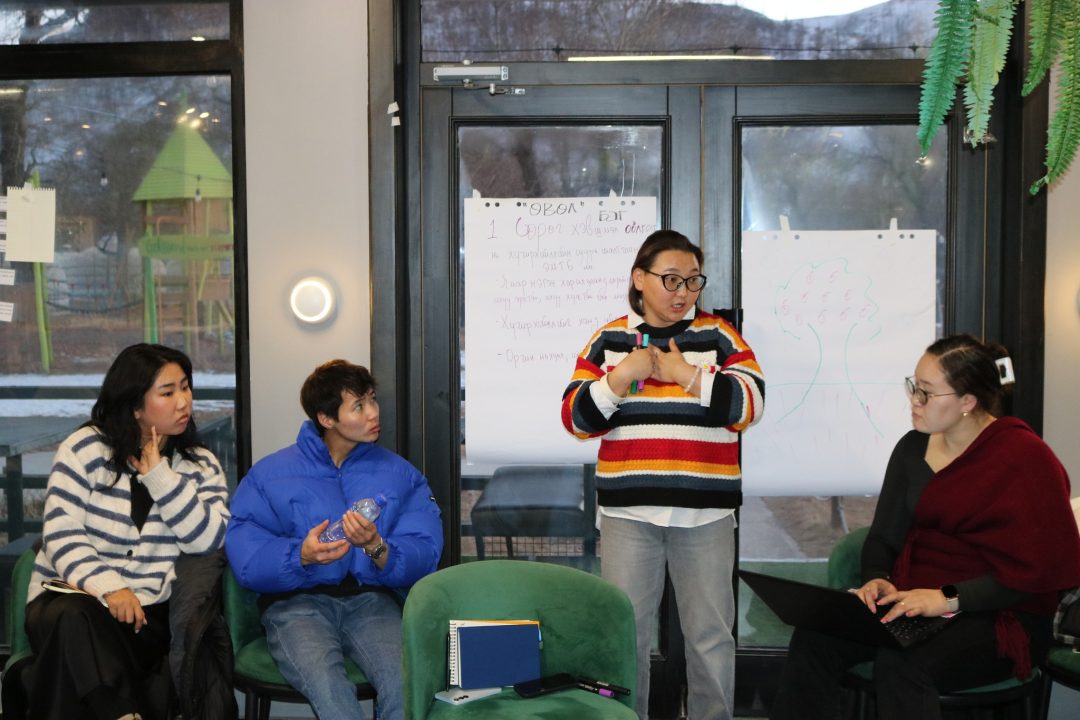
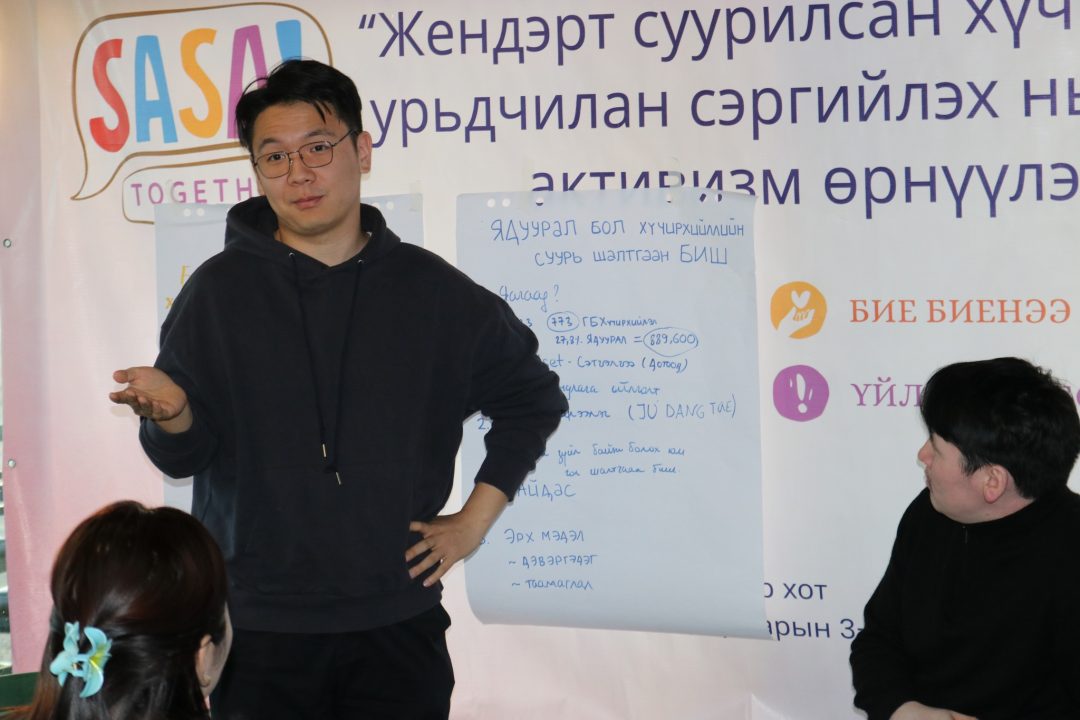
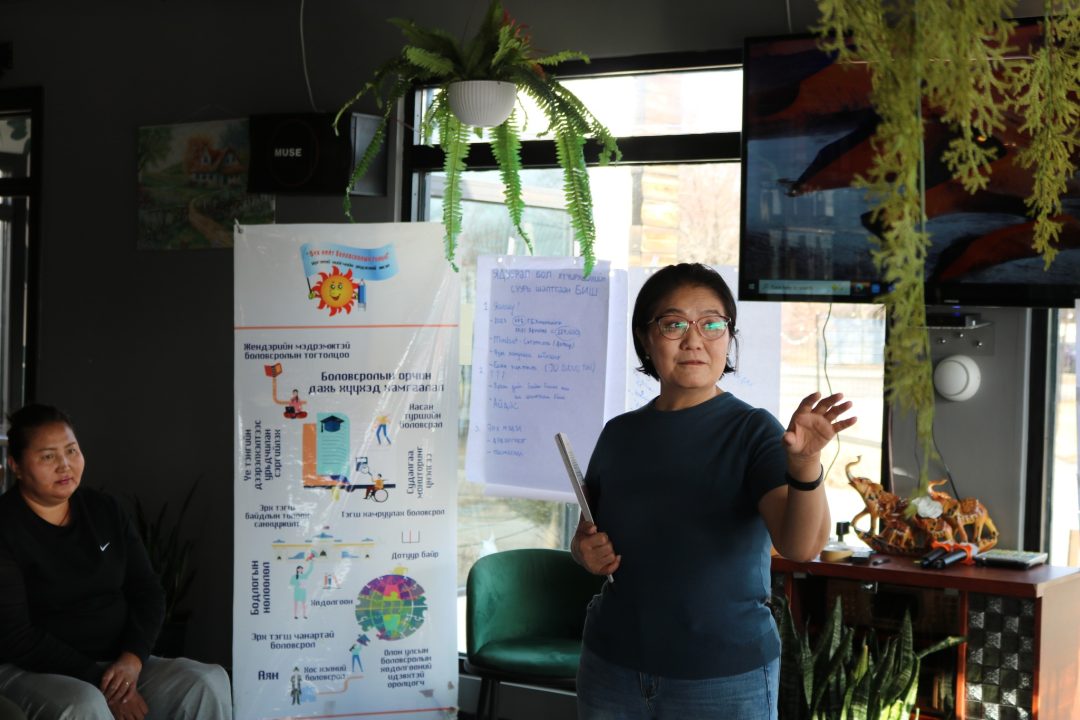
Through interactive sessions, group discussions, and practical exercises, participants explored different forms of activism and collaborative action for preventing gender-based violence. They also reflected on how young people, civil society organisations, and local communities can work together to challenge harmful norms and contribute to safer and more inclusive communities.
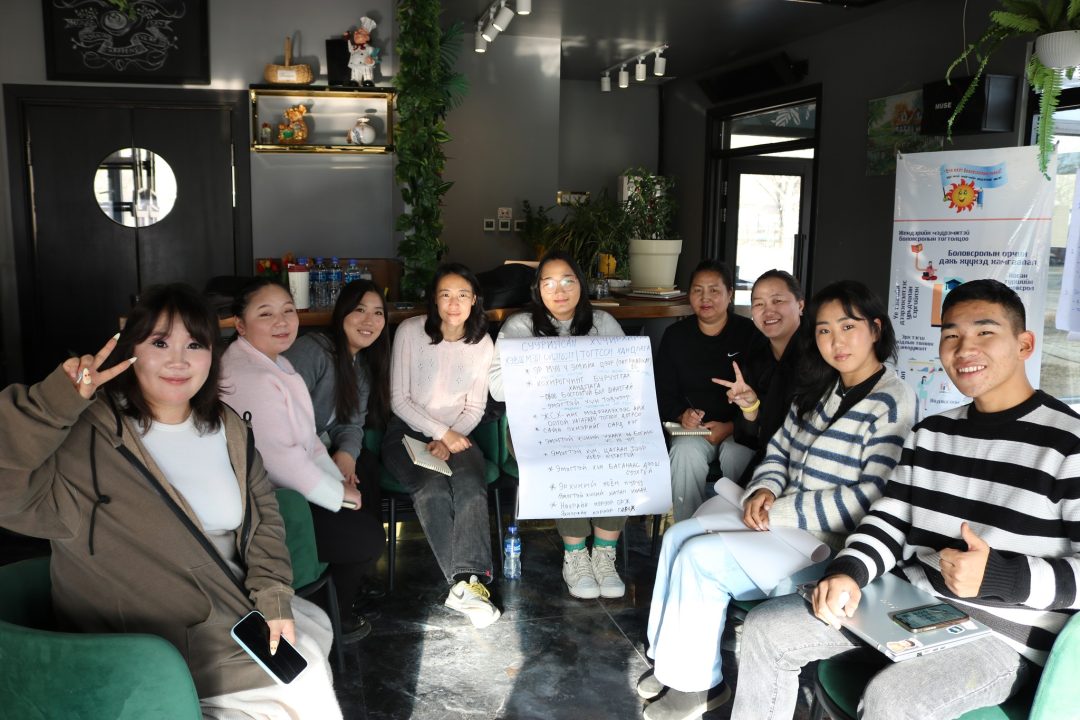
One of the key outcomes of the training was the development of practical activism initiatives for 2026. Working in teams, participants designed small-scale projects and community actions aimed at preventing and ending gender-based violence in their respective communities.
The training brought together representatives from:
- Beautiful Hearts NGO
- Lawyers Without Borders NGO
- Mongolian Family Welfare Association
- The LGBT Centre
- Trans for Unity
- Princess Centre NGO
- Erdenet Community Development Centre
- YouthLEAD Mongolia
- “Collective Strength – Protected Children” Initiative from Uvurkhangai Province
- Local councils from Khuvsgul, Darkhan-Uul, and Dornod provinces
The training was jointly organised by the MONFEMNET National Network and the All for Education! National Civil Society Coalition, with support from Education Out Loud – Gender Equality & Social Inclusion.
Through this initiative, participants strengthened their ability to organise collectively, develop locally relevant activism strategies, and take practical action to prevent gender-based violence.
The training also contributed to broader efforts to strengthen youth leadership, collective action, and grassroots activism, while supporting the development of a wider movement for the prevention of gender-based violence.